



We hadn’t been to Cape Cod in
years.
Giddy leaving it all behind for a
few days.
It wasn’t Mexico or anywhere else
we were supposed to be.
But the water lulled and
reminded.
Soothing our souls, inviting our
thoughts.
We woke each morning with a dip
in the pond.
Coffee, taking in the leaves and trees
in the morning light.
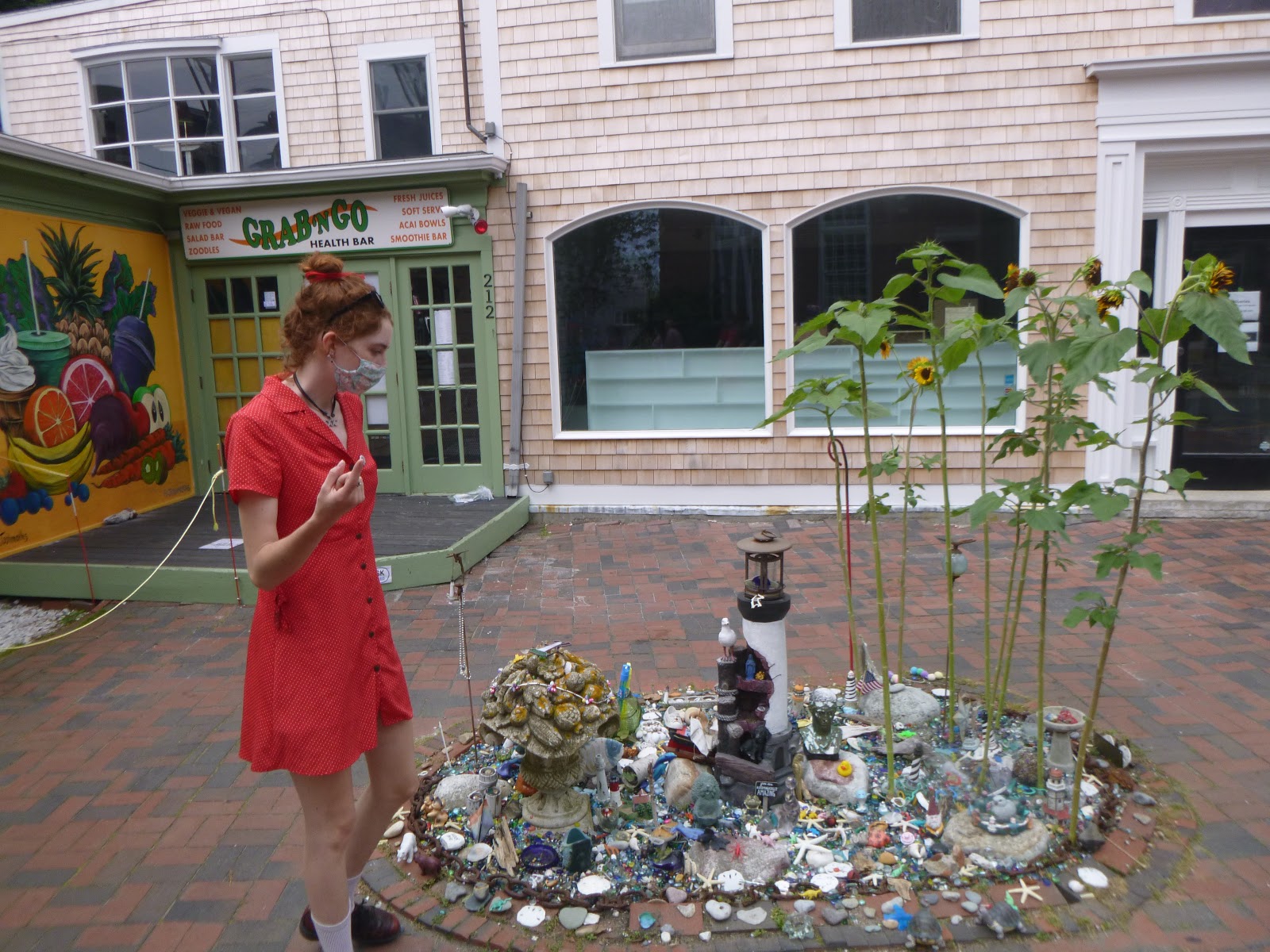
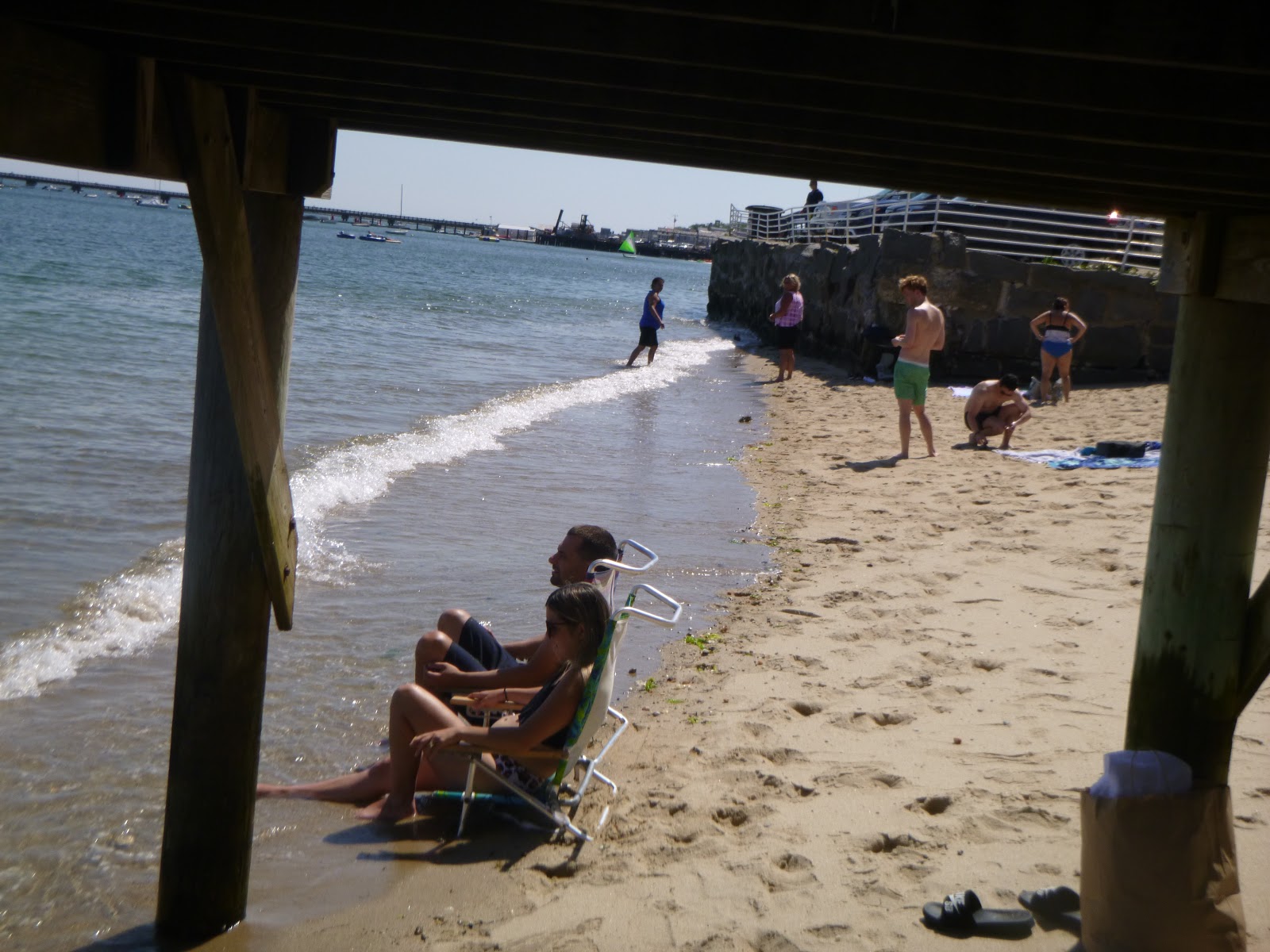
And reading and writing, trips to
the beach and Provincetown,
Exploring used bookstores,
Thinking about Auden and Rofes
and the others who walked these streets,
Writing away the years, poetry
memoirs from Norse, manifestos from Rofes, stories about other men from Hoffman.
Back to Sandwich past the old cemeteries
and the pine trees,
Taking in the sand dunes,
Down Ploughed Neck Road to
East Sandwich Beach.
Out route 6A to Sandy Neck Road
to Sandy Neck Beach.
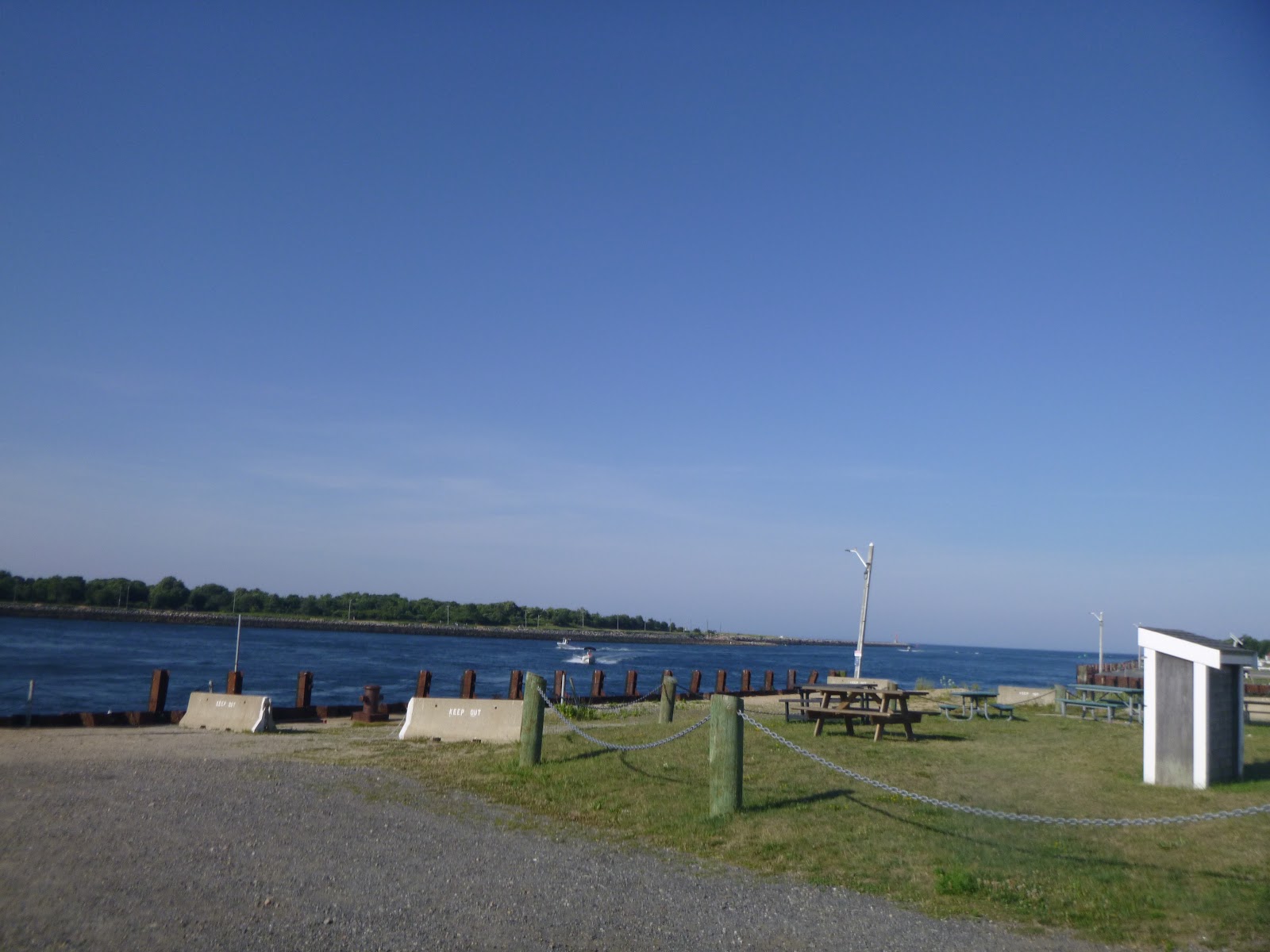
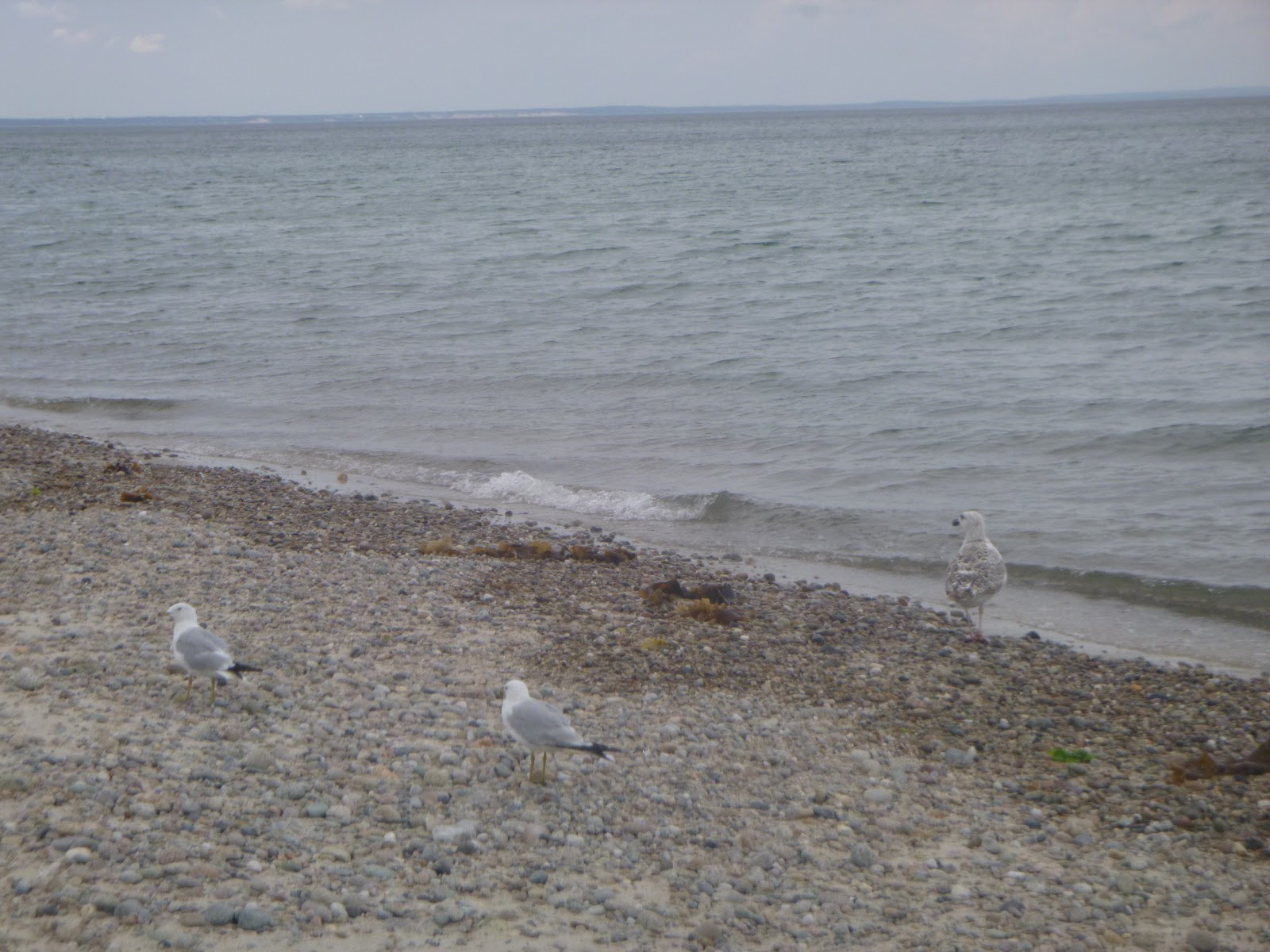
Walking along the water
Marconi Beach in Wellfleet,
looking at the seals,
Dipping into the delicious water
Out into the horizon and back out,
pulling out a paperback.
Sentences leap out from the page,
Nina like a kiss,
Her porn bildungsroman reminding,
di Palma’s words offer a way out,
William Burroughs’ Junkie,
like a hallucination:
“One afternoon, I closed my eyes
and saw New York in ruin. Huge centipedes
and scorpions crawled in and out of empty bars and cafeterias and drugstores on
Forty-second Street. Huge weeds were
growing through the cracks on the sidewalk.
There was no one in sight.”
New York is always on my mind, even on the road.
What kind of a city will it be?
Will we lead it beyond its commodity
fetish, away from its dead end?
Paging through Dad’s copy of
Henry Miller, Big Sur and the
Oranges of Hieroymus Bosch, 1957, where he underlined
“That the American way of life is
an illusory kind of existence.”
“Bought some time in the 1960’s,”
Dad scribbled inside, forward leaning inscriptions of clues.
I can’t read his journals, but somehow
he knew we’d be plowing through the old books.
“Read in Big Sur and Haight
Street, San Francisco, 1993.”
I remember that trip.
Those stories linger,
Turning into a fantastical poetry
reading on the beach,
In Big Sur,
In my novella.
Reading as many of his old paperbacks
as I can find.
with pleasure.
Dad was fragile.
We all are.
Sensitive souls, one and all.
It most certainly is.
Stability is fragile.
As is our prosperity.
Push forward
Or go with the flow?
Reveal yourself
Or maintain a distance?
The questions keep me up.
Bounce with the punches Ben?
Not that good at that.
The turtles make their way to the
blue green water.
Birds nest.
We swim every night after dinner.
Listening to the loons sing in
the night.
The lush fresh water reminds of those
years on Lake Lanier in Atlanta,
off the Chattahoochee and Chestatee Rivers.
Most nights the kids skate and we
listen to Django,
Brazil.
Matt Bianco,
“Moving from
place to place, another town, a different face
You may find me
Sneaking out the back door with a grin.”
Talking about it all,
Wondering what to do.
We were going to visit Dad’s
buddy Richard at MIT.
Instead we meet by phone.
Chatting about Dad and the trip
to the Middle East they took all those years ago.
The world feels distant.
Richard remembers the trip a
little differently.
“I can’t tell what part of the story
is accurate and which was a yarn,” I tell Richard.
“He could tell a story,” recalls Richard.
“When we are done with this
place, let’s get as far away as we can get,” he said in Ft Benning, where the two
were stationed in 1961. “I guess that meant Afghanistan.”
News from Florida,
another family member with COVID.
Reports and concerned calls.
Minds spin.
Uncertainty.
Two weeks zoom.
On the way we go,
Wondering what the year will
offer.
Back to New York.
Looking at a history of words to
make sense of it all.
Books and stories all the way
home.
Giovanni Boccaccio describes the mass graveyards in The Decameron, casualties
of the Bubonic Plague:
“How many valiant
men, how many fair ladies, breakfast with their kinfolk and the same night
supped with their ancestors in the next world! The condition of the people was
pitiable to behold. They sickened by the thousands daily, and died unattended
and without help. Many died in the open street, others dying in their houses, made
it known by the stench of their rotting bodies. Consecrated churchyards did not
suffice for the burial of the vast multitude of bodies, which were heaped by
the hundreds in vast trenches, like goods in a ships hold and covered with a
little earth.”
Leopold Bloom
attends the funeral of
Dignam in Ulysses.
Ruminations on
living and dying in Dublin and Hades, thoughts at a church, with Stephen’s father,
remind us none are too far from it.
We’re all destined
to join Dignan.
The question is:
how we get there and what we do before we depart?
Baldwin recalls a
lynching,
"Going
to Meet the Man".
John Lewis’ reaches
to us from his grave,
an obit finding
light the day of funeral.
Trying to make
sense of it all,
Beseeching us to
act, to believe,
that our actions
and words matter.
Prophetic
remembering:
Together,
you can redeem the soul of this nation.”
I’m not sure we’re much beyond
the “Dry September,” William Faulkner, saw in 1931:
“Through
the bloody September twilight, aftermath of sixty-two rainless days, it had
gone like a fire in dry grass---the rumor, the story, whatever it was.”
All is
takes is a rumor to throw it all away.
Yet, can
we find a way to head it off?